
Building Bridges for Better Health:
Meet Colorado’s Public Health Institutes
A strong public health system requires a network of people and organizations working together. Public health institutes (PHIs) help make those connections possible, bringing together partners, data, and resources to strengthen the health of communities.
Many of Colorado’s biggest public health efforts rely on the support of PHIs. Colorado is home to two statewide PHIs: Trailhead Institute (Trailhead) and Colorado Health Institute (CHI). Each organization has distinct skills and expertise that strengthen Colorado’s public health system and help communities thrive.
What is a Public Health Institute?

PHIs are nonprofit organizations that increase the capacity of their state and local communities to improve public health. They connect community organizations, health systems, local and state government agencies, universities, and philanthropy. Many PHIs, including CHI and Trailhead, are a part of the National Network of Public Health Institutes (NNPHI), allowing them insight into national trends, training, and infrastructure.
These connections strengthen public health outcomes locally and throughout the state, catalyze partnerships between states, and bolster regional and national efforts to improve public health outcomes.
Because they operate independently from the government, PHIs can respond quickly to emerging needs, build partnerships across sectors, and provide flexible support where it’s needed most. Notably, PHIs may work closely with policymakers and government agencies, but they do not promote political positions. This nonpartisan approach allows PHIs to work with people holding a wide range of perspectives.

“There are many different levels in public health – local, state, regional, and federal,” said Michele Shimomura, Trailhead’s President and Executive Director. “Sometimes these levels have a hard time connecting with each other and aligning their goals and resources. PHIs help strengthen that network, and we can introduce new connections, too.”
Michele Shimomura, President and Executive Director of Trailhead Institute
Not every PHI works on the same issues or provides the same functions because they address needs that are specific to their communities and state partners. To support healthier communities, PHIs prioritize collaboration, connecting ideas and data to resources and action, and building the capacity of their partners to help make lasting change possible.
Who are Colorado’s Public Health Institutes?
CHI helps leaders make evidence-informed decisions to improve health. Founded in 2002, CHI transforms data into meaningful insights through research, policy analysis, evaluation, facilitation, community engagement, and communication. CHI helps state agencies, foundations, policymakers, providers, public health agencies, and community organizations access meaningful research and data and translate these findings into actionable solutions.
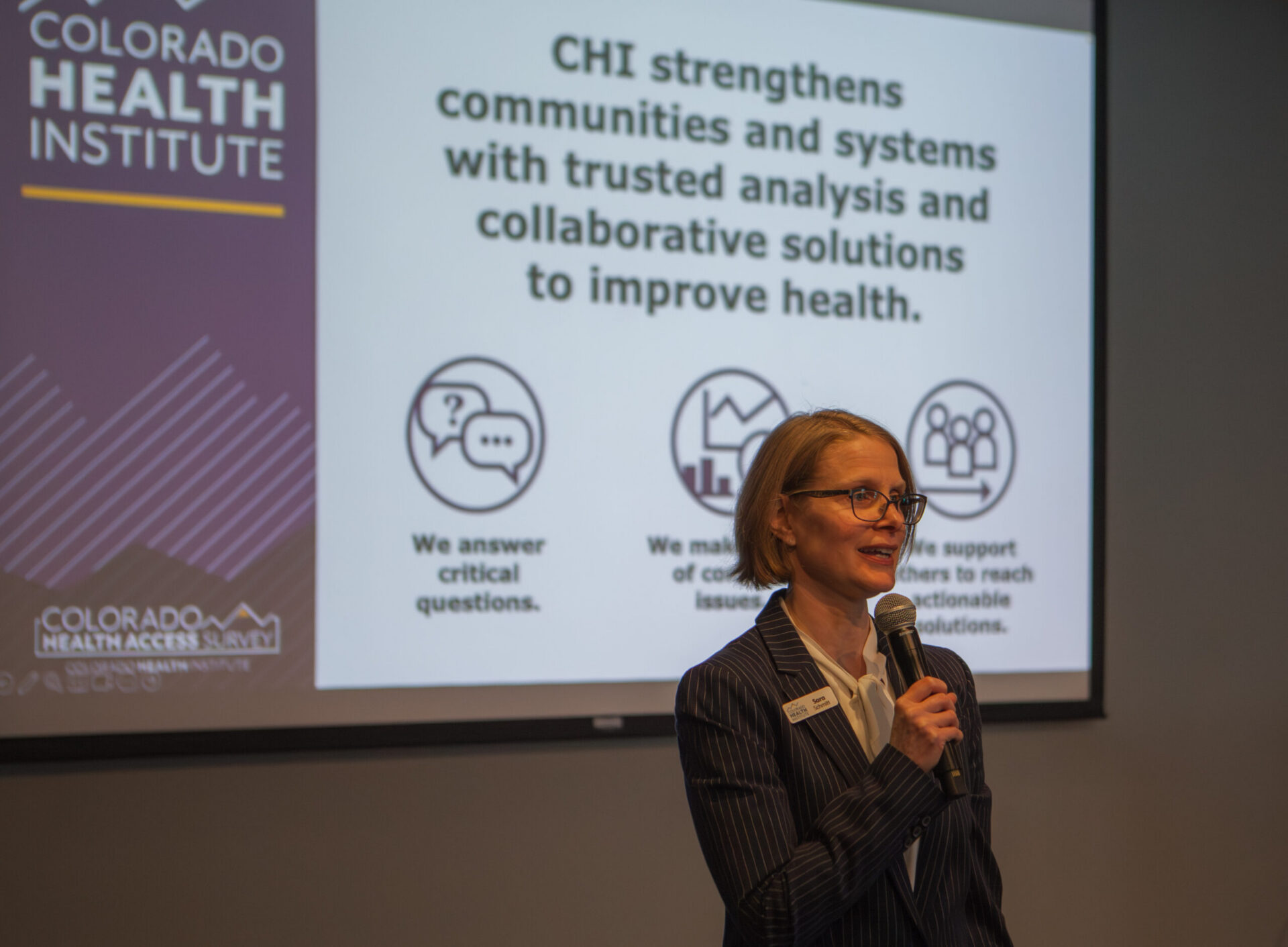
Sara Schmitt, President and Chief Executive Officer of Colorado Health Institute
Trailhead strengthens partnerships, capacity, and infrastructure to advance public health initiatives led by communities. Through administrative partnership, fiscal sponsorship, operational support, public health programs, and strategic collaboration, Trailhead enables community organizations, collaboratives, public agencies, and academic institutions to launch, grow, and sustain initiatives that improve health across the state and the region.
Colorado is also home to the Public Health Institute at Denver Health (PHIDH), which is within Denver’s safety net hospital. While not a part of the National Network of Public Health Institutes, PHIDH also supports public health efforts addressing local community needs in Colorado.

How Do CHI and Trailhead Strengthen Colorado’s Public Health System?
Suman Mathur, a Director at Colorado Health Institute, presents a webinar
CHI is perhaps best known for the Colorado Health Access Survey (CHAS). Since 2009, the CHAS has been the premier source of data on health coverage, access to healthcare, and the factors that influence health in Colorado. The survey’s large sample size, roughly 10,000 households, allows for statistically significant samples across geographic regions and by age, race, and income. Organizations at multiple levels, including policymakers, state agencies, local governments, health systems, community-based organizations, researchers, and journalists, rely on data from the CHAS to inform their work.
Due to their data collection with the CHAS and work on analyzing policies from across the political spectrum, CHI refrains from any advocacy activities. This approach helps establish the trust needed to convene partners around shared goals and community priorities.
“The CHAS is a longstanding and critical community resource,” said Sara Schmitt, CHI’s President and CEO. “People across the state use it, and we’re proud to steward the survey.”
CHI’s work also goes beyond the CHAS. The organization conducts robust evaluations, facilitates conversations across sectors, and helps partners use evidence to inform decisions around access to care, mental health, climate, and the social factors that impact health and well-being.”
“We care about Colorado,” Sara said, “and that means that we show up in different places, work with different groups, and provide a wide range of services. We see how public health issues connect with many other issues.”

For the first time, CHI released CHAS data at the county level in response to requests from rural communities that previously relied on data reported on by Health Statistics Region
Trailhead also supports partners with critical infrastructure to help communities reach their own public health goals. Founded in 1993, Trailhead’s longest running service is fiscal sponsorship. Trailhead invests time, energy, and resources into individuals, organizations, and collaboratives to help community-led solutions launch and scale. With their expertise, community leaders can focus on helping their communities flourish, while Trailhead helps manage their financial, contractual, and compliance requirements behind-the-scenes.
“There’s a breadth of work that happens behind-the-scenes,” said Michele. “People often see the front end of programs or initiatives making the impact on communities, but they don’t always see the infrastructure that makes that possible.”
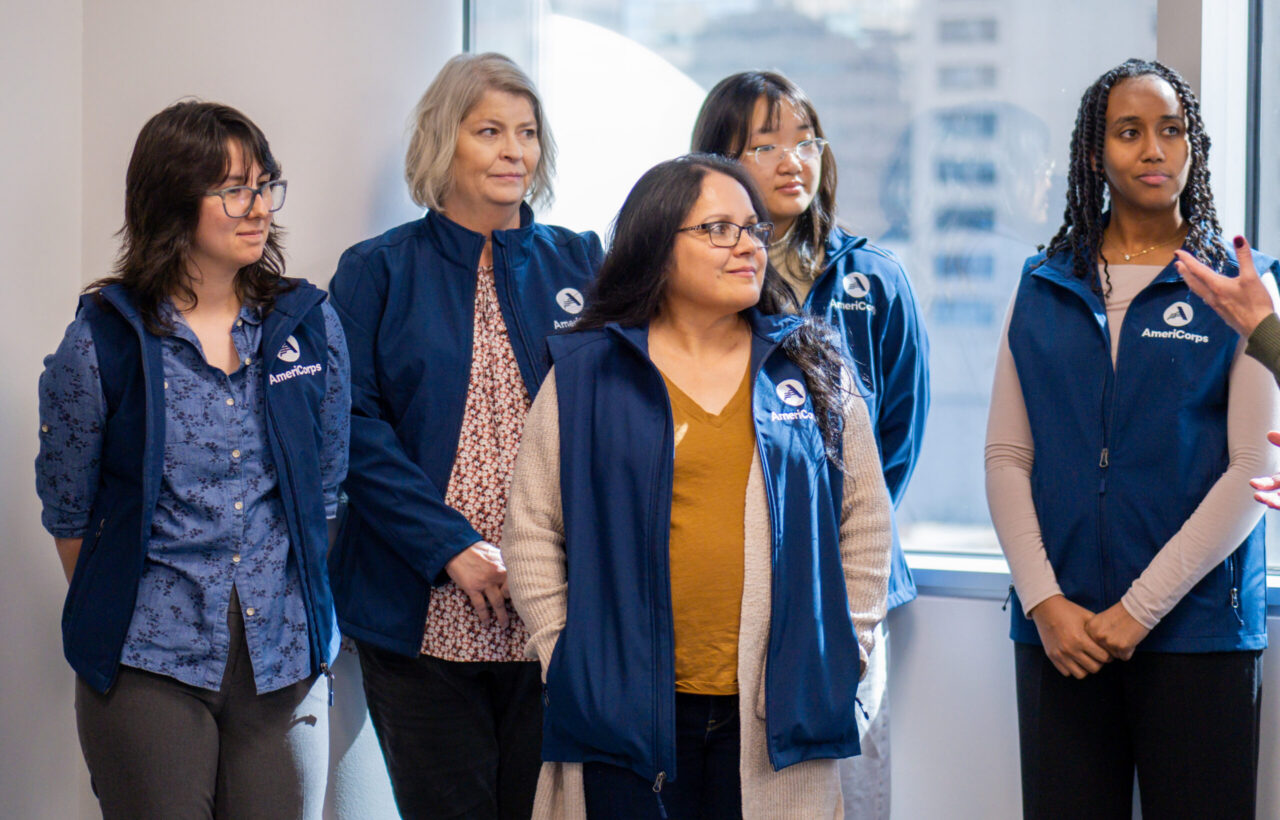
Trailhead leads Colorado Public Health Works, a program providing training and career pathways into public health through AmeriCorps and registered apprenticeships
Trailhead also leads public health programs across the state with the goal of building capacity and connecting communities with the network and resources they need to thrive. Initiatives include strengthening the public health workforce, supporting clinic-community linkages in every region of the state, increasing access to comprehensive sex education for young people, and managing the Colorado Cancer Coalition, a statewide collaborative working to eliminate the burden of cancer.
Trailhead has utilized its expertise across their programs to advocate for issues like funding cuts to critical workforce programs, health and social safety net programs, and youth sexual health education.
For both CHI and Trailhead, the number of people and partners they serve has increased. CHI has broadened its work to include facilitation, evaluation, and community engagement that help partners make sense of complex issues. Trailhead continues to expand its administrative partnership – supporting the administrative needs of more than 60 partners – and is always exploring new ways to build connections and resources that will benefit our partners.
How do Colorado’s Public Health Institutes Collaborate?
Public health challenges are often complex and require working closely with diverse partners. Collaboration is central to how PHIs operate, including with each other.

Over the years, Trailhead and CHI have partnered on a variety of initiatives, including the Public Health Infrastructure Grant, the Regional Health Connector Program, COVID-19 response activities, workforce development efforts, communications projects, and technical assistance for community organizations. They also work alongside many of the same state agencies, local governments, universities, nonprofit organizations, foundations, and health systems.
Region 8 Public Health Infrastructure Grant partners gather at CHI and Trailhead’s headquarters in Denver
Michele said, “CHI and Trailhead have a long history of working together. We’ve intentionally grown to be complementary to each other in the knowledge areas and strengths that each organization has. We’re going to work hard for our partners, because we want to see them succeed.”
As Colorado’s public health landscape continues to evolve, both organizations see opportunities to deepen their partnership through greater collaboration and shared expertise. Together, they can help communities navigate policy and funding changes, strengthen public health infrastructure in data, analysis, and operational support, and ensure partners have the capacity they need to create lasting impact.
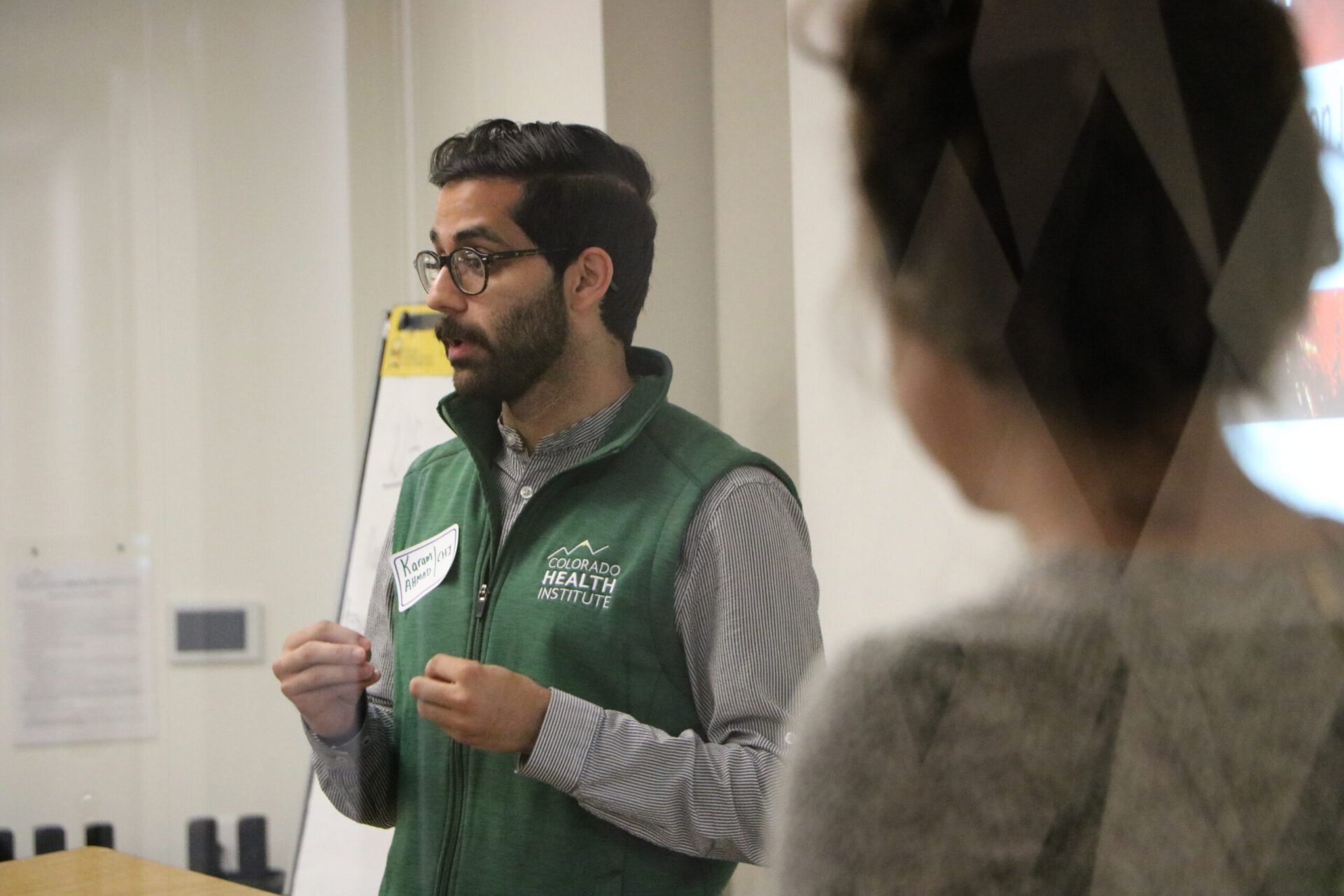
Karam Ahmad, Managing Director of Partnerships and Development at Colorado Health Institute
“The policy landscape across the country, and in Colorado, is changing,” said Sara. “There’s an opportunity for PHIs to bring our knowledge and experience to step up and support our partners.”
How Can You Connect with Colorado’s Public Health Institutes?
Whether you’re a community organization, government agency, health care provider, university, funder, or someone interested in improving health in Colorado, both organizations welcome opportunities to collaborate.