Amidst Setbacks, Rural Communities Across Colorado are Innovating Sex Education
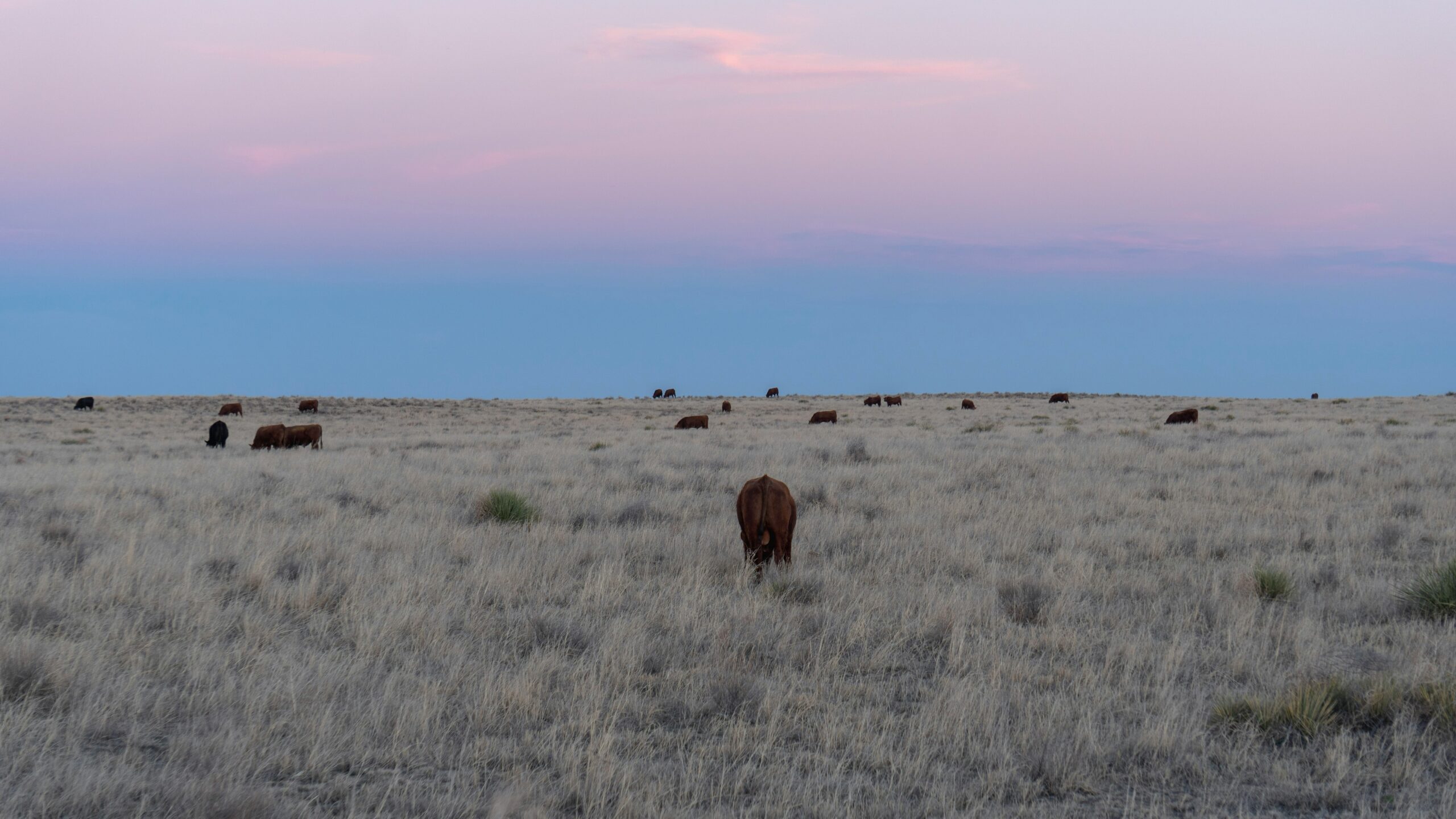
Wiley, a rural community in Colorado, has a population of 435 people. The town’s main source of income comes from farming, a sentiment echoed by the home page of the Wiley School District website, which reads “Wiley Panthers, Future Farmers of America.” Here, Robyn Perdue, a school nurse for 22 years, works to provide comprehensive sex education (CSE) for young people in her community.
Since 2015, Robyn has worked to implement a CSE program in school districts across the region. She currently works in Wiley and Holly School Districts, and in the past, she has provided services in towns as far as Kim, a two-hour drive away.
“These kids are out there floating on their own,” Robyn said, “trying to deal with everything that’s coming at them. They’re dealing with a lot. When we focus on prevention and provide comprehensive sex education, we’re investing in our children’s future.”
CSE is medically accurate, age-appropriate, culturally sensitive, inclusive, and stigma-free. Research shows that young people can make better decisions for themselves and live healthier when educators teach CSE that build skills to understand themselves better, their identities, consent, boundaries, and more.
CSE is proven to prevent bullying, suicide, sexual violence and assault, delay how early young people started having sex, reduce rates of STIs and HIV, reduce harm from substance use, and increase mental wellbeing.
Alicia Michelsen sees these impacts firsthand in her work as the Executive Director of The Learning Council, a nonprofit in Paonia that provides services, including CSE, across the North Fork Valley.
Challenges to CSE in Rural Communities
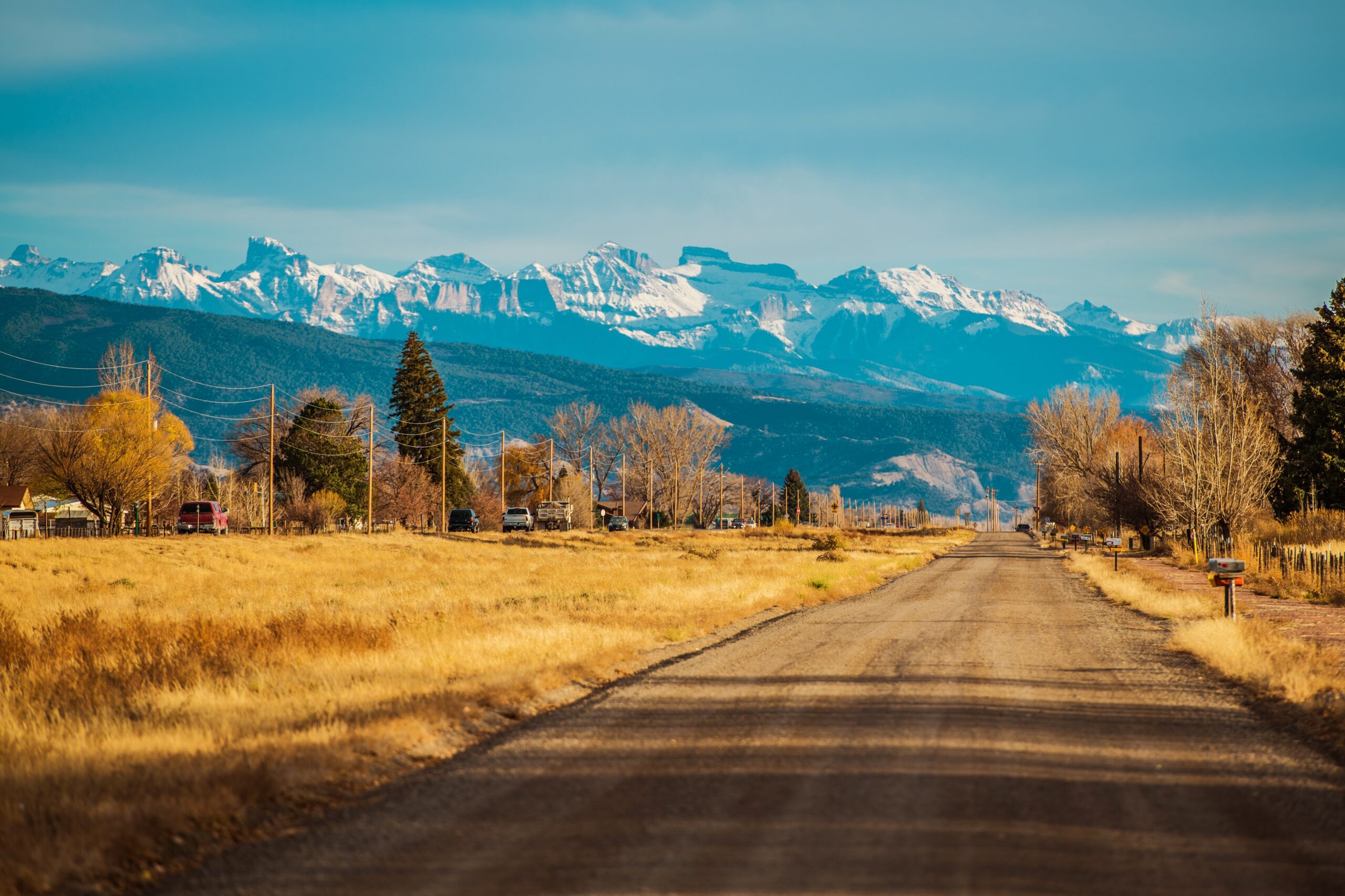
While every community is different, rural youth often face shared barriers that make it harder to access CSE compared to urban youth. According to Healthy Teen Network, some systemic barriers include “fewer healthcare options, longer distances to reach providers, less—if any—public transportation options, higher poverty rates, and lower rates of insurance coverage, amongst other challenges.”
In Paonia, which has high rates of teen pregnancy and sexual assault, Alicia said, “Pregnant people who don’t want to be pregnant and want a D&C now have to travel all the way to Denver, a five hour drive. It used to be in Durango, which is still a long drive, but they’re not doing that in Durango anymore.”
In Wiley, the closest town to find birth control, a pregnancy test, or an STI test is in Lamar, almost 11 miles away. “For young people, finding transportation to Lamar is difficult,” Robyn said, “especially if they’re not old enough to drive yet. And for students who want to access these services, they’re embarrassed to go because they’re afraid it will leak out into the community, because we’re so small.”

Having a trusted adult – a parent, teacher, community member – is key for young people to feel safe and supported in making healthy decisions. But in the communities that Robyn works in, young people often report not having a trusted adult that they can turn to for questions related to their sexual health. High rates of teacher turnover make it even more difficult to build trusted relationships with students.
“A lot of conversions around body changes and puberty aren’t happening anymore either,” Robyn said, “so these kids don’t even have a foundation for this information.”
Digital technology, like phones, can be another barrier in building trust with young people. Phones and social media can be a powerful tool for seeking information confidentially, especially for queer and transgender youth. But Robyn finds herself competing with phones for attention when trying to build a relationship with young people in real life.
“It’s so hard to create an environment that is fun to learn in.” Robyn said. “Even parents are on their cell phones a lot, so there’s not a lot of communication going on after the kids get home from school. Sure, kids can Google questions, but there’s so much more we can cover that they wouldn’t even think to Google.”
Building community trust is also important to increase the number of trusted adults and build support for CSE. Blake McClain, a trained educator with The Learning Council, helps create CSE curriculums for young people and adults in his community. “It’s hard to get everyone in the community to totally understand what we’re trying to bring forward to youth and their wellbeing and safety. We’re constantly trying to figure out how to get people in the room, how to build trust. It’s slow work.”
Implementing CSE in schools also requires buy-in from administration. In recent years, however, many communities face high rates of administration turnover and increasing conservatism from members. Conservative groups have also been more aggressive in attacking CSE.
Alicia said, “Last year, the Delta County GOP tried to come to our events and interfere with our work. It keeps getting harder and harder.”
Navigating A Changing Funding Landscape
And finally, funding cuts. Health is often one of the first items to be cut when education budgets get slashed. This lack of support for young people’s health and wellbeing continues to affect their performances in other areas of education, such as STEM and reading.
“The education system has more priorities than a comprehensive health class,” Robyn said. “With teacher shortages and low test scores, sometimes I can’t get into classrooms and do the work I need to do to help these kids advocate for themselves and make better decisions around their health."
Inconsistent access to funding and support also means that students have inconsistent access to CSE and resources, another barrier to establishing trusted adults in young people’s lives and building trust with the community.
In 2019, Colorado launched the Comprehensive Human Sexuality Education (CHSE) Grant Program, providing $1 million every year to help schools provide CSE. Since then, the CHSE Grant supported 39 public schools and districts and reached more than 64,000 young people, many in rural communities and for people historically left out of sexual health education, like BIPOC and LGBTQ+ youth. The program also supported educators with sustainable funding, classroom resources, professional development opportunities, and much more.
CHSE funding allowed Robyn to work in her school districts full time, as opposed to the previous one day per week. The grant also supported a paid youth advisory board and adult advisory board, provided meals to students after completing the CSE curriculum, and provided a network of educators across the state who also received funding and coordinated resources.
Due to Colorado’s current budget deficit, the CHSE Grant Program will be defunded after June 30, 2026. The critical health infrastructure built is now at risk.
Finding Innovative Ways to Provide CSE
Despite these challenges, rural communities persist, finding innovative ways to provide CSE to young people.
To increase the number of trusted adults and trained educators in the community, The Learning Council worked with Planned Parenthood of the Rocky Mountains to provide online CSE courses. Over 70 community members completed the training, including students, parents, teachers, school counselors, and more.
The Learning Council, supported by Trailhead Institute, also hosted CSE classes specifically for parents, many of whom did not receive CSE growing up, and shared best practices about how to discuss sexual health at home. Some parents started small groups of their own to talk to their children and their children’s friends about CSE, further building trust and fostering belonging in the community.
“We’re taking a more grassroots informed approach,” Blake said. “We’re building relationships with specific families and youth, which is different from navigating the barriers of entry within school systems.”

The Learning Council also wants to invest in peer-to-peer sex education by educating a cohort of young people who can share information and resources with their friends and peers.
Robyn, who now spends a lot of her time applying to grants to continue providing CSE, credits her region’s decreasing teen pregnancy, STI, and alcoholism rates with increasing access to CSE. She hopes that one day, she will be able to provide age-appropriate CSE beginning in elementary school, and then continue consistent classes every year with students.
“Every student deserves access to this education,” Robyn said, “about healthy relationships, how to make informed decisions about their bodies, how to advocate for themselves, the laws around sex and sexual health. If we don’t teach it, they don’t know.”
Currently, Robyn mostly provides CSE to students in 5th, 8th, and 10th grade and maintains an open environment in her classroom, encouraging students to ask anonymous questions at the end of every class.
“I really feel like this has created trust with them,” Robyn said. “They feel like it’s a safe environment where they can ask me pretty much anything.”
This has also led to students and teachers having more conversations in other classrooms. Robyn said, “Maybe not all the conversations are about health, but it feels like it’s been easier for students to ask questions.”
These are only a few examples of how rural communities across Colorado are continuing to support young people and promote health and wellbeing. With their continued advocacy, more young people will have access to the skills, resources, and information they need to live happier, healthier lives.
“Sexual health education is an effective way for people to understand their power,” Alicia said. “We’re trying to help people understand their health and wellness so they have more power and agency to make good choices.”
We support organizations, collaboratives, communities, and school districts.
Learn how Trailhead's Youth Sexual Health Program increases access to comprehensive sexual health education and resources for young people using an approach that is collaborative and community-driven.